PROJECT BACKGROUND
Across underserved communities in Pakistan, many women continue to face a cycle of poor health awareness, limited financial access, low decision-making power, and economic dependence. These challenges are not separate problems; they reinforce one another. A woman who lacks reliable health information may delay seeking care, struggle with preventable hygiene or reproductive health issues, and experience reduced confidence in managing her own wellbeing. At the same time, a woman without access to income, savings, credit, or financial literacy may remain dependent on others for basic personal, household, and healthcare decisions.
Women from low-income households, rural areas, peri-urban settlements, and informal urban communities are especially affected. Many have practical skills, business ideas, and the motivation to support their families, but they often lack the capital, training, confidence, market access, and structured follow-up needed to turn these abilities into sustainable livelihoods. Financial exclusion also limits women’s ability to save, invest, manage emergencies, and participate in household decision-making.
Health education alone is not enough if women remain economically dependent. Microfinance alone is also not enough if women are not supported with health awareness, financial literacy, confidence-building, and peer networks. A combined model is needed — one that links women’s wellbeing with economic opportunity, practical training, community support, and responsible financial access.
This project responds to that need by integrating health awareness, financial literacy, business readiness, microfinance support, peer groups, and referral guidance. The initial initiative aims to engage 1000 women in maternal health and economic education, fostering a peer-supported community. From this group, 200 individuals will receive microfinance support through the OPD Support program.
.
Vision:
"To build a generation of healthier, confident, and economically self-reliant women who live with dignity, participate in household and community decision-making, and contribute to stronger families and sustainable communities"
Mission:
"To empower women from underserved communities by combining health awareness, financial literacy, business training, peer support, and access to microfinance, enabling them to improve their wellbeing, strengthen their decision-making power, and create sustainable income-generating opportunities.The programme aims to move women from awareness to action: from learning about health and financial management, to building confidence, accessing responsible financial support, starting or expanding livelihoods, and becoming active contributors to their families and communities"
PROJECT GOALS AND OBJECTIVES:
Goal 1: Delivery of Integrated Health and Wellbeing Curriculum
To provide structured health awareness sessions that improve women’s knowledge, confidence, and care-seeking behavior.
Objectives:
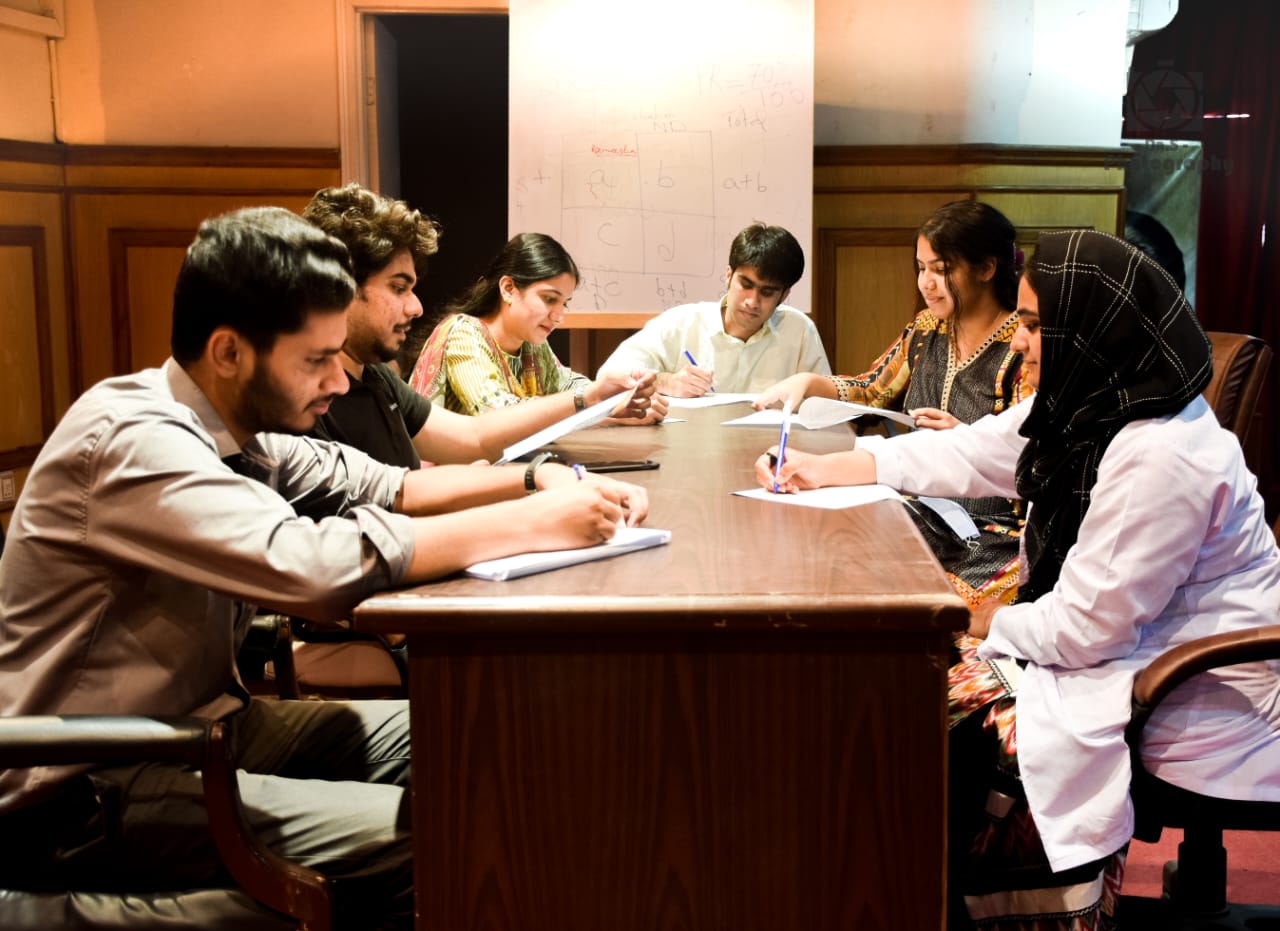
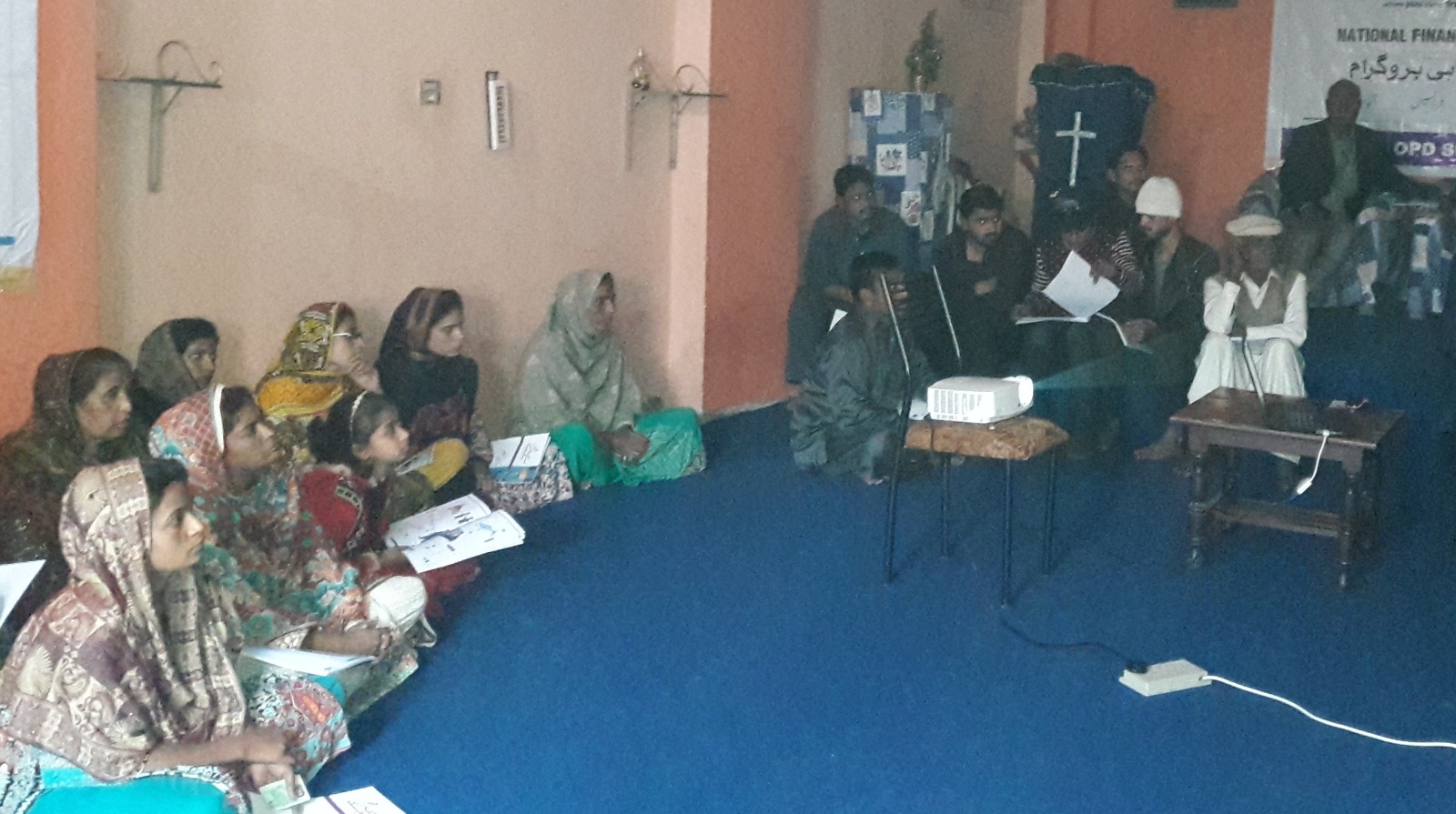
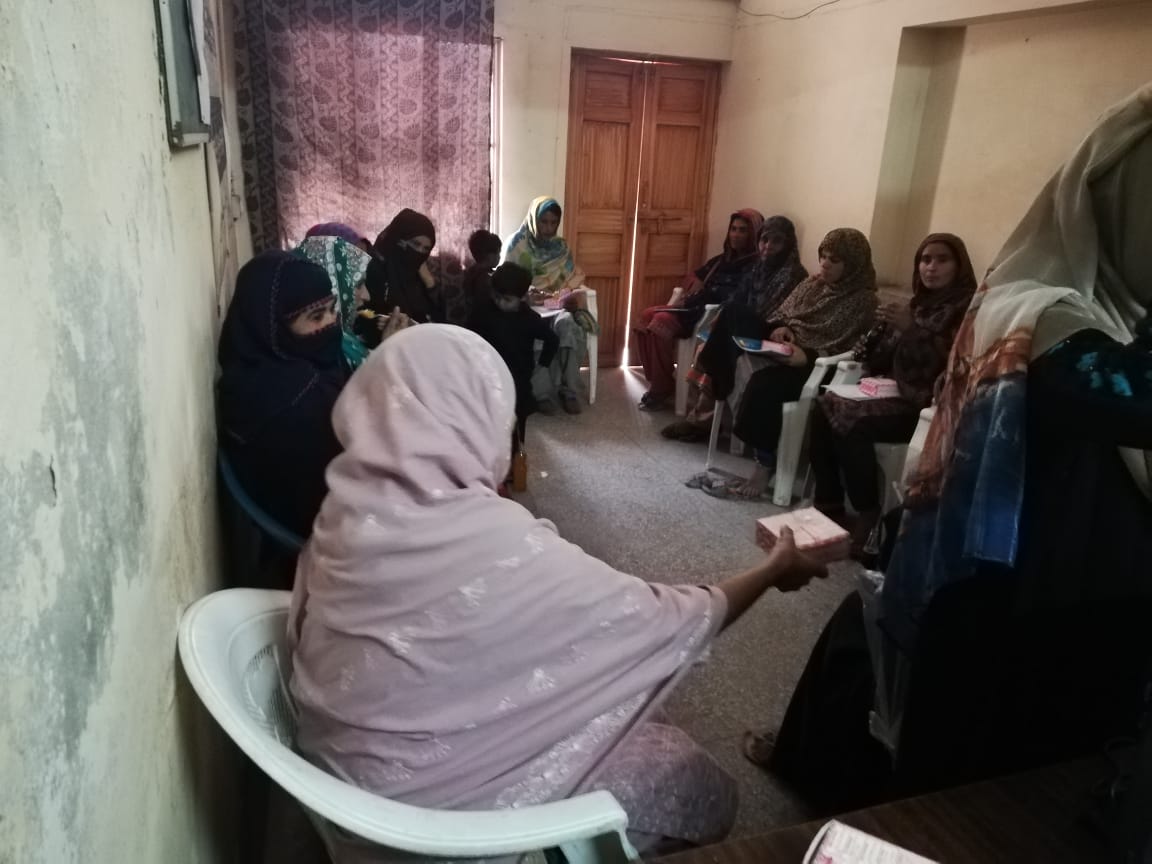
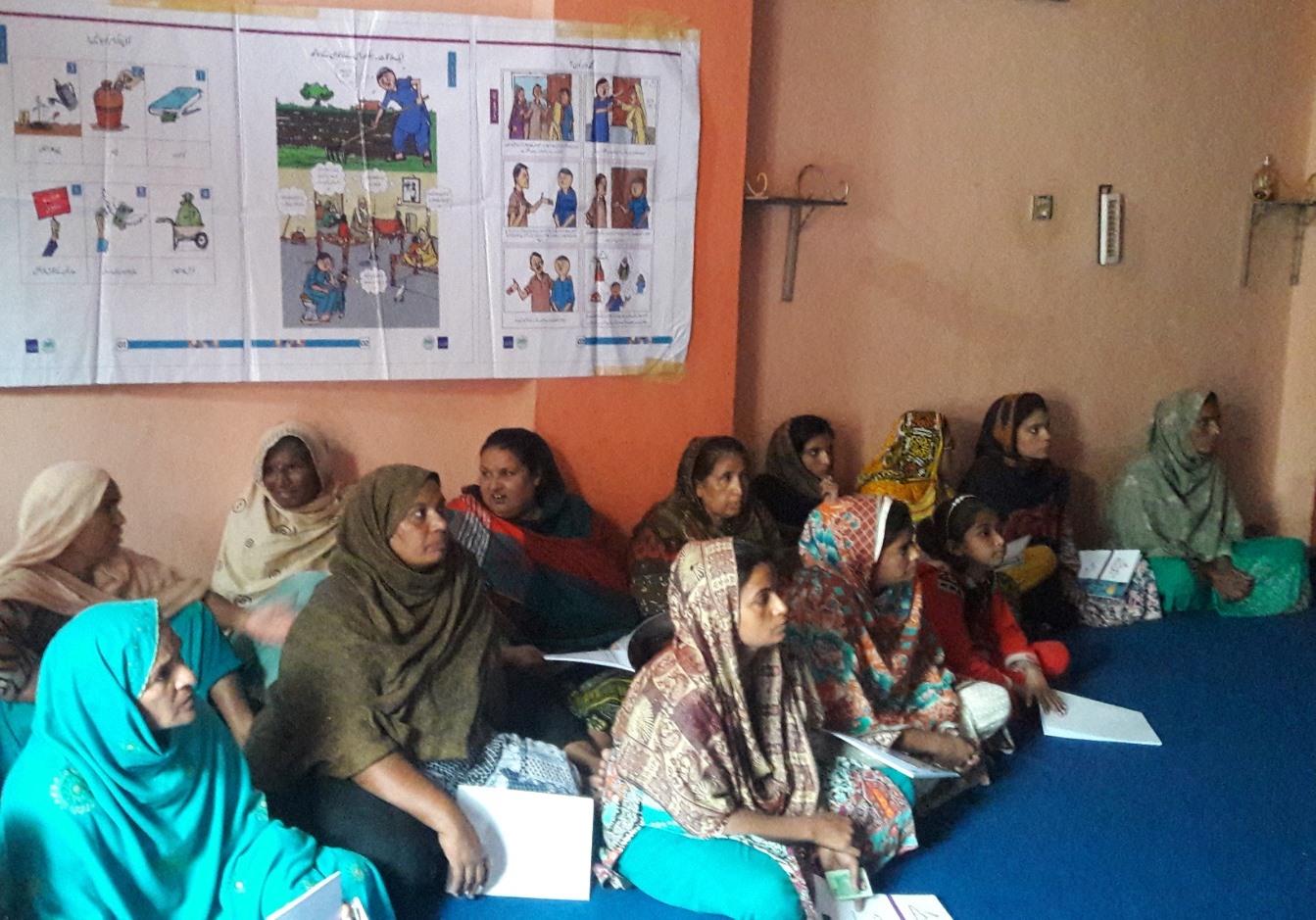
• Our initial objective is to provide counseling and mentorship to at least 1000 women.
• Cover practical topics including personal hygiene, menstrual health, nutrition, reproductive wellbeing, basic mental health awareness, stress management, and when to seek medical help.
• Use group-based sessions to reach more women without overburdening staff.
• Provide referral guidance for women who require further medical, mental health, or social support.
Expected outcome:
Women will have improved awareness of their health needs, better understanding of preventive care, and greater confidence in seeking timely support.
Goal 2: Women’s Economic Empowerment Through Microfinance
To support women in developing sustainable livelihoods through financial literacy, business readiness, and responsible microfinance access.
Objectives:
• Provide financial literacy and business training to participating women.
• Select 200 women for microfinance support during the first initiative.
• Link microfinance support to need assessment, participation, business feasibility, and follow-up capacity.
• Support women to start or expand small income-generating activities.
• Promote responsible borrowing, saving, budgeting, and record keeping.
Expected outcome:
Women will improve their ability to earn, save, manage money, contribute to household needs, and participate in financial decision-making.
Goal 3: Building Women’s Peer Support and Community Networks
To create safe, practical, and supportive group structures where women can learn together, encourage each other, and remain connected beyond one-time training.
Objectives:
• Form women’s peer groups during the first initiative.
• Use group meetings for health education, financial literacy, business discussions, repayment support, and confidence-building.
• Identify peer leaders who can support communication, attendance, and follow-up.
• Strengthen women’s social support and reduce isolation.
Expected outcome:
Women will gain confidence, accountability, and support through group-based learning and peer networks.
Goal 4: Strengthening Referral and Support Pathways
To ensure the project does not stop at awareness, but connects women to appropriate services when further support is needed.
Objectives:
• Identify local health, social, and community referral options.
• Train project staff to recognize when a woman needs referral rather than only general advice.
• Refer women needing medical care, mental health support, or social protection services.
• Maintain simple records of referrals while respecting privacy and dignity.
Expected outcome:
Women with needs beyond training sessions will be guided toward appropriate support instead of being left without direction.
Goal 5: Creating a Scalable and Sustainable Model
To use the first initiative as a tested model for future expansion into other underserved communities.
Objectives:
• Monitor attendance, training completion, loan use, repayment, business progress, referrals, and beneficiary feedback.
• Collect success stories with informed consent.
• Submit monthly reports for learning and accountability.
• Identify what worked, what needs improvement, and what can be replicated.
• Use repayments, peer groups, reusable materials, and community structures to support long-term sustainability.
Expected outcome:
The first initiative will generate practical learning and evidence for a larger women’s health and economic empowerment program that can be expanded without losing quality or exhausting resources.
 OPD Support Program